
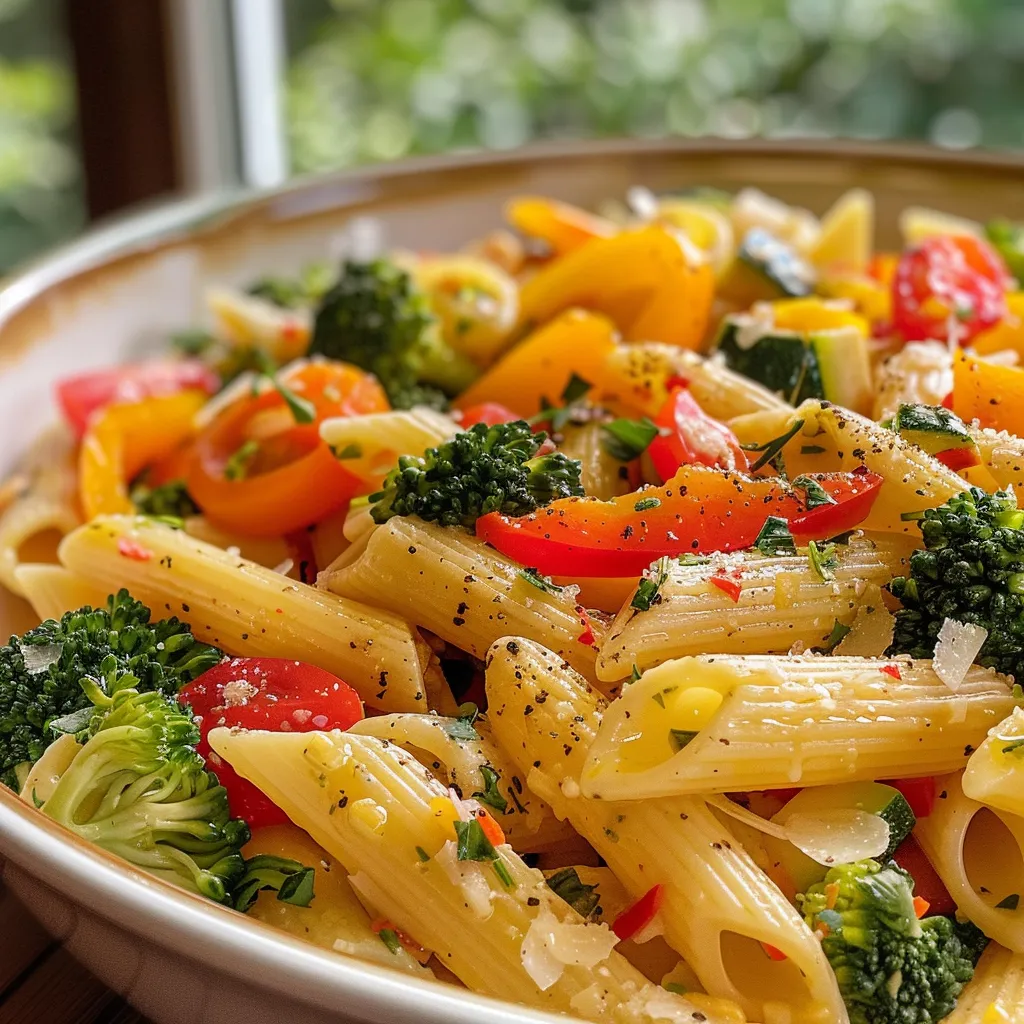
Unleashing the Vibrance of Pasta Primavera
Welcome to the colorful world of Pasta Primavera, where fresh vegetables meet delightful pasta in a creamy or olive oil-based sauce. This recipe is a celebration of spring’s bounty, making it a perfect choice for busy weeknights or special occasions. In this comprehensive guide, we’ll walk you through every step, ensuring you master this recipe while also enjoying the cooking process!
Whether you’re a seasoned chef or a kitchen newbie, this Pasta Primavera will impress everyone at your table. With vibrant colors, a burst of flavors, and the ease of preparation, you’ll find that cooking can indeed be simple and rewarding.
Why You’ll Love This Recipe
This Pasta Primavera recipe is not just about good looks; it’s packed with benefits that will make you fall in love with it:
- Colorful and Inviting: The combination of fresh vegetables creates a dish that’s not only beautiful but also appetizing.
- Simple Ingredients: Using everyday ingredients ensures that you can whip this up without a trip to the specialty store.
- Customizable: You can easily swap out vegetables based on your preferences or what’s in season, making it versatile.
- Quick Preparation: With a total time of under 30 minutes, this recipe is perfect for busy nights.
- Healthy and Nutritious: Packed with vitamins from fresh vegetables, this dish is a wholesome option that doesn’t skimp on flavor.
Essential Ingredients Breakdown
Let’s dive into what you’ll need to create this delightful dish, along with some handy substitutions:
- 12 ounces uncooked fusilli pasta: Feel free to use your favorite pasta shape, like penne or spaghetti, for a different texture.
- 1 1/2 tablespoons olive oil: Can be replaced with butter for a richer flavor.
- 1/4 cup thinly sliced shallots: Yellow onions work well if you don’t have shallots on hand.
- 2 carrots, peeled and julienned: Any root vegetable, like parsnips, can be a great substitute.
- 1 cup chopped asparagus: Try green beans or broccoli florets for a different crunch.
- 1 cup sliced zucchini: Yellow squash can also be used for variety.
- 1 cup cherry tomatoes: Substitute with diced bell peppers for a sweet crunch.
- Salt and fresh ground black pepper to taste: Essential for enhancing flavors.
- 1/2 cup frozen peas: Fresh peas can be used when in season.
- 2 teaspoons Italian seasoning: A mix of dried herbs like oregano, basil, and thyme works too.
- 1/2 teaspoon garlic powder: Fresh minced garlic can give an extra kick.
- 1/4 teaspoon red pepper flakes (optional): Adjust based on your heat preference.
- Zest and juice of 1 lemon: This adds brightness to the dish; limes can be used as an alternative.
- 1/2 cup of reserved pasta water: This starchy water helps bind the sauce.
- 1/2 cup shredded parmesan cheese: Nutritional yeast serves as a great vegan option.
- Fresh basil for garnish (optional): Consider parsley or arugula for a different flavor.
Step-by-Step Cooking Instructions
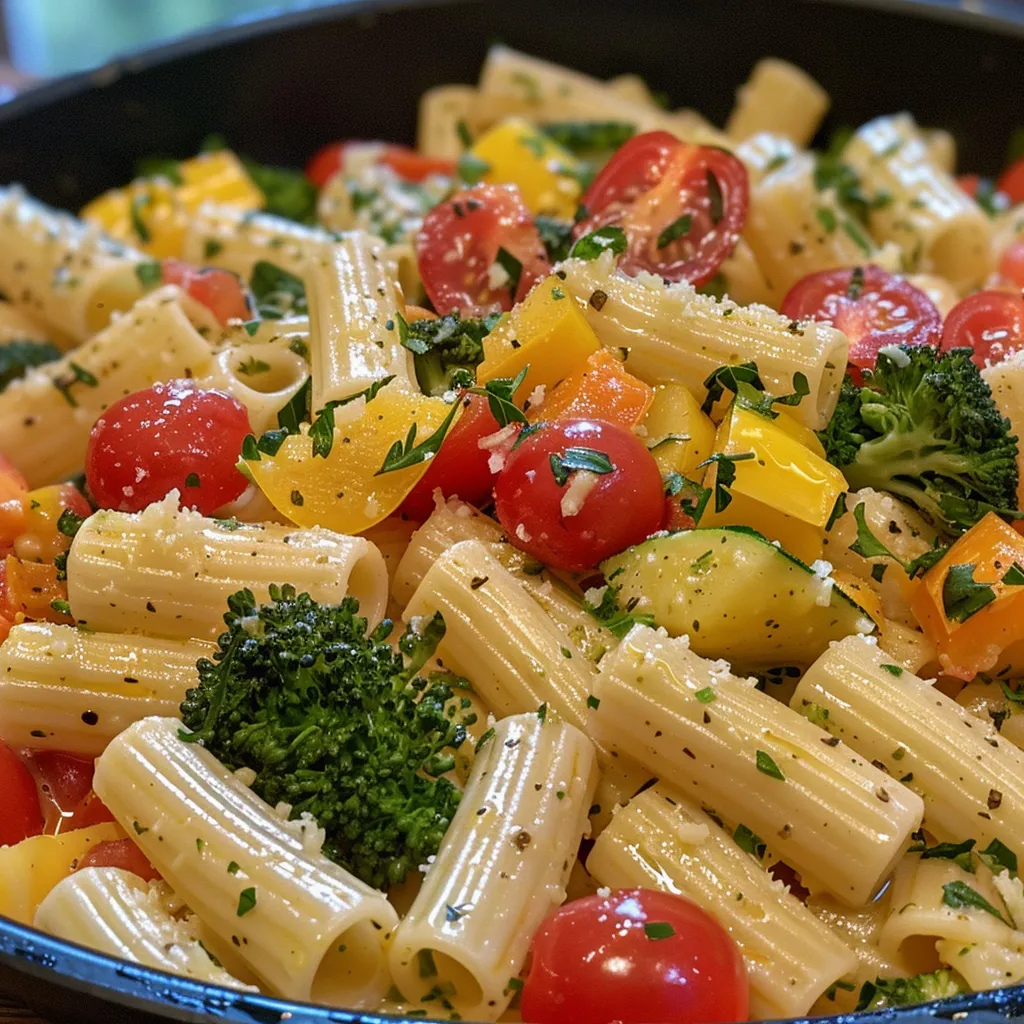
Ready to get cooking? Here’s your step-by-step guide to creating a delicious Pasta Primavera:
- Cook the pasta according to package instructions, making sure to reserve 1 cup of pasta water before draining.
- In a large skillet, heat the olive oil over medium heat and sauté the shallots, carrots, and asparagus for about 2 minutes until they start to soften.
- Add the zucchini, yellow squash, and cherry tomatoes to the skillet. Season with salt, pepper, Italian seasoning, garlic powder, and optional red pepper flakes, stirring to combine.
- Combine the cooked pasta with the sautéed vegetables, adding 1/4 cup reserved pasta water, lemon zest, and lemon juice. Toss everything together until well mixed.
- Fold in the frozen peas and parmesan cheese, stirring until melted and creamy. Adjust the sauce’s consistency with remaining reserved pasta water as needed.
- Finally, taste your dish and adjust the seasoning if necessary. Garnish with fresh basil and extra parmesan before serving.
Pro Tips for Perfect Pasta Primavera
Here are some expert insights to elevate your Pasta Primavera game:
- Use Seasonal Vegetables: Fresh, in-season vegetables offer the best flavor and nutrition.
- Don’t Overcook the Pasta: Aim for al dente; this way, the pasta holds its shape and texture.
- Reserve Enough Pasta Water: The starchy water is a secret weapon in creating a creamy sauce without added fat.
- Experiment with Flavors: Don’t hesitate to add different herbs or spices to suit your taste.
- Serve Immediately: This dish tastes best when served fresh, so have everything ready to go!
- Adjust Seasoning Gradually: Start with a little salt and pepper, then add more to taste as needed.
- Consider Protein Additions: Cooked chicken, shrimp, or chickpeas can turn this side dish into a hearty meal.
- Presentation Matters: A sprinkle of fresh herbs can elevate the visual appeal of your dish.
Common Mistakes and Troubleshooting
Even the best cooks can run into snags. Here’s how to avoid common issues:
- Too Dry: If your pasta primavera feels dry, gradually add more reserved pasta water until you achieve the desired creaminess.
- Overcooked Vegetables: Keep your veggies crisp by adding them in stages, starting with the firmer vegetables that take longer to cook.
- Flat Flavor: Always taste and adjust your seasonings towards the end of cooking; fresh lemon juice can brighten flavors.
- Sticking Pasta: Make sure to stir your pasta immediately after adding it to the skillet.
Delicious Variations to Try
Feeling adventurous? Here are some fun ways to switch things up:
- Creamy Alfredo Version: Add heavy cream and more cheese for a rich, creamy pasta primavera.
- Vegan Delight: Use plant-based cheese and olive oil, and skip the cheese altogether for a vegan-friendly version.
- Spicy Kick: Toss in some diced jalapeños or a splash of hot sauce for a spicier twist.
- Herb-Infused: Incorporate fresh herbs like dill or mint for unique flavor profiles.
Storage and Make-Ahead Instructions
If you have leftovers or want to prepare this dish ahead of time, follow these guidelines:
- Storage: Store leftovers in an airtight container in the refrigerator for up to 3 days.
- Reheating: Gently reheat in a skillet, adding a splash of water or broth to loosen the sauce.
- Make-Ahead: You can chop vegetables a day in advance and store them in the fridge, making cooking time faster.
Frequently Asked Questions
Here are some common questions about Pasta Primavera:
- Can I make this dish gluten-free? Yes! Substitute regular pasta with gluten-free pasta.
- What vegetables work best? Asparagus, bell peppers, broccoli, and snap peas are excellent choices.
- How can I make it spicy? Add crushed red pepper flakes or diced jalapeños to the sauté.
- Can I use frozen vegetables? Absolutely! Just make sure to thaw and drain them before adding to the skillet.
- Is Pasta Primavera a good option for meal prep? Yes, it stores well and can be reheated easily for lunches or dinners.
- What protein can I add? Grilled chicken, shrimp, or chickpeas are delicious additions.
- Can I use a different type of cheese? Yes! Feta or goat cheese can add a different flavor profile.
- How do I make it dairy-free? Use dairy-free cheese and omit the parmesan.
Nutritional Tips and Dietary Adaptations
This Pasta Primavera can easily fit into various dietary needs:
- Low Carb: Substitute pasta with spiralized zucchini or spaghetti squash.
- High Protein: Add chicken or tofu to boost the protein content.
- Low Sodium: Use low-sodium broth or omit added salt.
Essential Equipment Recommendations
To make your cooking experience smooth, here’s what you’ll need:
- Large Pot: For boiling pasta.
- Skillet: A large non-stick skillet works best for sautéing vegetables.
- Measuring Cups and Spoons: Essential for accurate ingredient measurements.
- Colander: For draining pasta efficiently.
Serving Suggestions
Pasta Primavera is versatile in presentation. Here are some ideas:
- Pair with Garlic Bread: A side of garlic bread complements the dish beautifully.
- Serve with a Salad: A crisp green salad adds freshness and balance.
- Garnish Generously: Fresh herbs and extra cheese can enhance the final presentation.
In conclusion, this Pasta Primavera recipe is your ticket to enjoying fresh, flavorful meals without the stress. Embrace the colors of spring, and remember that every cook makes mistakes — it’s all part of the culinary journey! So roll up your sleeves, have fun in the kitchen, and savor every delicious bite. Happy cooking!
Pasta Primavera
Ingredients
Pasta
- 12 ounces uncooked fusilli pasta
- 1.5 tablespoons olive oil
- 0.25 cup thinly sliced shallots
- 2 carrots peeled and julienned carrots
- 1 cup chopped asparagus (about 1 1/2 inches in length)
- 1 cup sliced zucchini (cut into rounds or half moons)
- 1 cup sliced yellow squash (cut into rounds or half moons)
- 1 cup cherry tomatoes
- 0.5 cup frozen peas
- 2 teaspoons Italian seasoning
- 0.5 teaspoon garlic powder
- 0.25 teaspoon red pepper flakes (optional)
- 1 each lemon (zest and juice)
- 0.5 cup reserved pasta water
- 0.5 cup shredded parmesan cheese
Garnish
- to taste fresh basil for garnish (optional)
Instructions
- Cook pasta according to package instructions; reserve 1 cup of pasta water before draining.
- Heat olive oil in a skillet and sauté shallots, carrots, and asparagus for 2 minutes.
- Add zucchini, yellow squash, and cherry tomatoes; season with salt, pepper, Italian seasoning, garlic powder, and red pepper flakes.
- Combine cooked pasta, lemon zest, lemon juice, and 1/4 cup reserved pasta water in the skillet.
- Fold in frozen peas and parmesan until well mixed; adjust sauce with remaining pasta water as needed.