
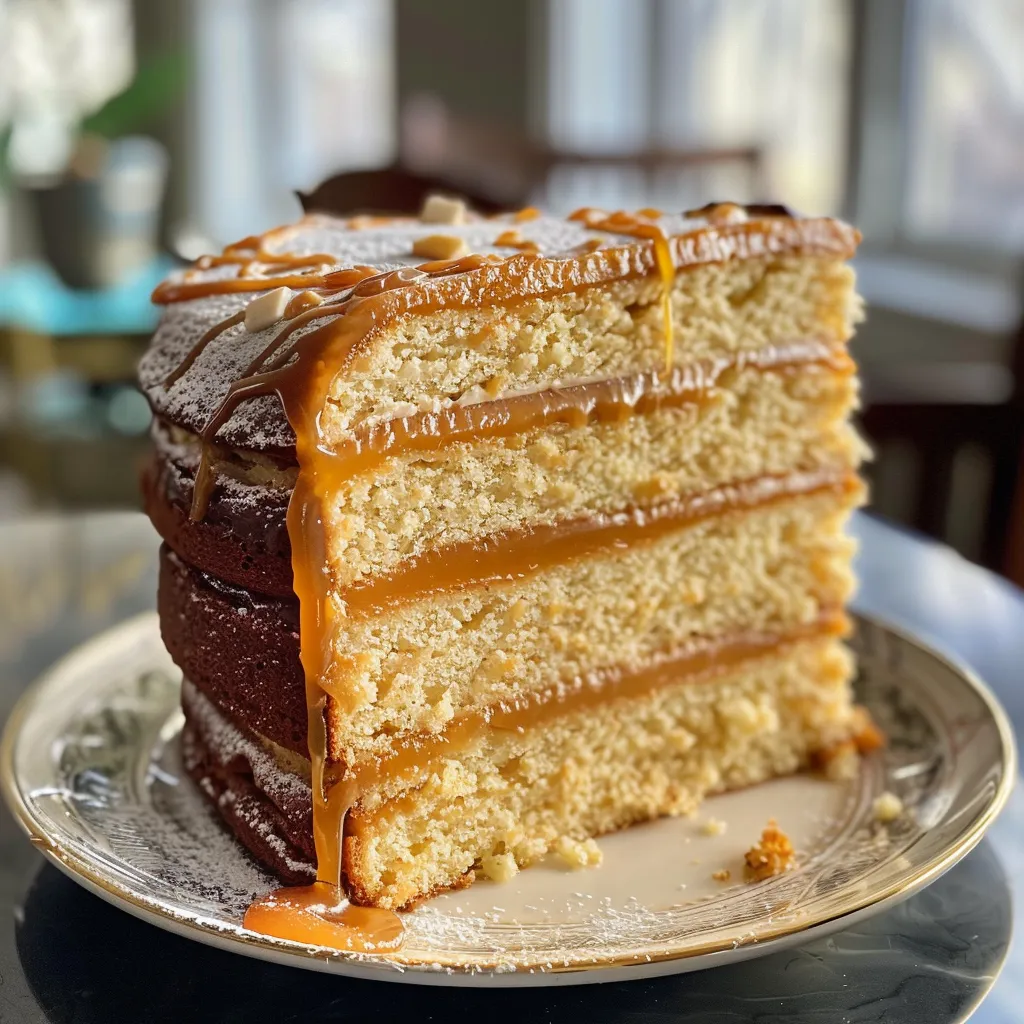
Unleashing the Deliciousness of Salted Caramel Cake
Welcome, fellow food lovers! Today, we’re diving into the world of **salted caramel cake**, a delightful dessert that marries the rich sweetness of caramel with the comforting charm of cake. Whether you’re celebrating a special occasion or just need a little pick-me-up, this recipe is your ticket to sweet success. Buckle up as we embark on this delicious journey together!
Why You’ll Love This Recipe
- Irresistible Flavor: The combination of buttery vanilla cake and luscious salted caramel creates a flavor explosion that’s hard to resist.
- Simple Steps: Even if you’re not a baking pro, this recipe breaks down the process into easy, manageable steps.
- Perfect for Any Occasion: Whether it’s a birthday, an anniversary, or just a Tuesday, this cake fits right in.
- Make Ahead Friendly: You can prepare the components ahead of time, making it easier to assemble on the day of your celebration.
- Customizable: This recipe allows for plenty of variations, so you can make it your own.
Ingredients for Your Salted Caramel Cake
Let’s get into the nitty-gritty of what you’ll need. Here’s a detailed breakdown of the ingredients, along with some helpful substitutions:
- Granulated Sugar: 140 g for caramelizing. You can use brown sugar for a deeper flavor.
- Water: 1 ½ tablespoons to dissolve the sugar.
- Unsalted Butter: 40 g at room temperature for the caramel, plus 180 g softened for the cake.
- Heavy Cream: 150 g at room temperature to enrich the caramel sauce; you can substitute with whole milk, but the richness will be slightly less.
- Pinch of Salt: To taste, elevating the flavors in the caramel.
- All-Purpose Flour: 340 g, sifted for a lighter cake. Whole wheat flour can be used for a healthier option, though it may alter the texture.
- Cornstarch: 2 tablespoons to lighten the cake texture.
- Baking Powder and Baking Soda: ¾ teaspoon each for leavening.
- Sour Cream: 240 g at room temperature adds moisture; Greek yogurt is a great substitute.
- Vegetable Oil: 60 g for a neutral flavor; canola or sunflower oil works well.
- Vanilla Extract: 2 teaspoons for flavor enhancement.
- Powdered Sugar: 660 g, sifted for the buttercream; use icing sugar if needed.
- Caramel Sauce: 2-3 tablespoons, homemade or store-bought, for drizzling on top.
How to Make Salted Caramel Cake
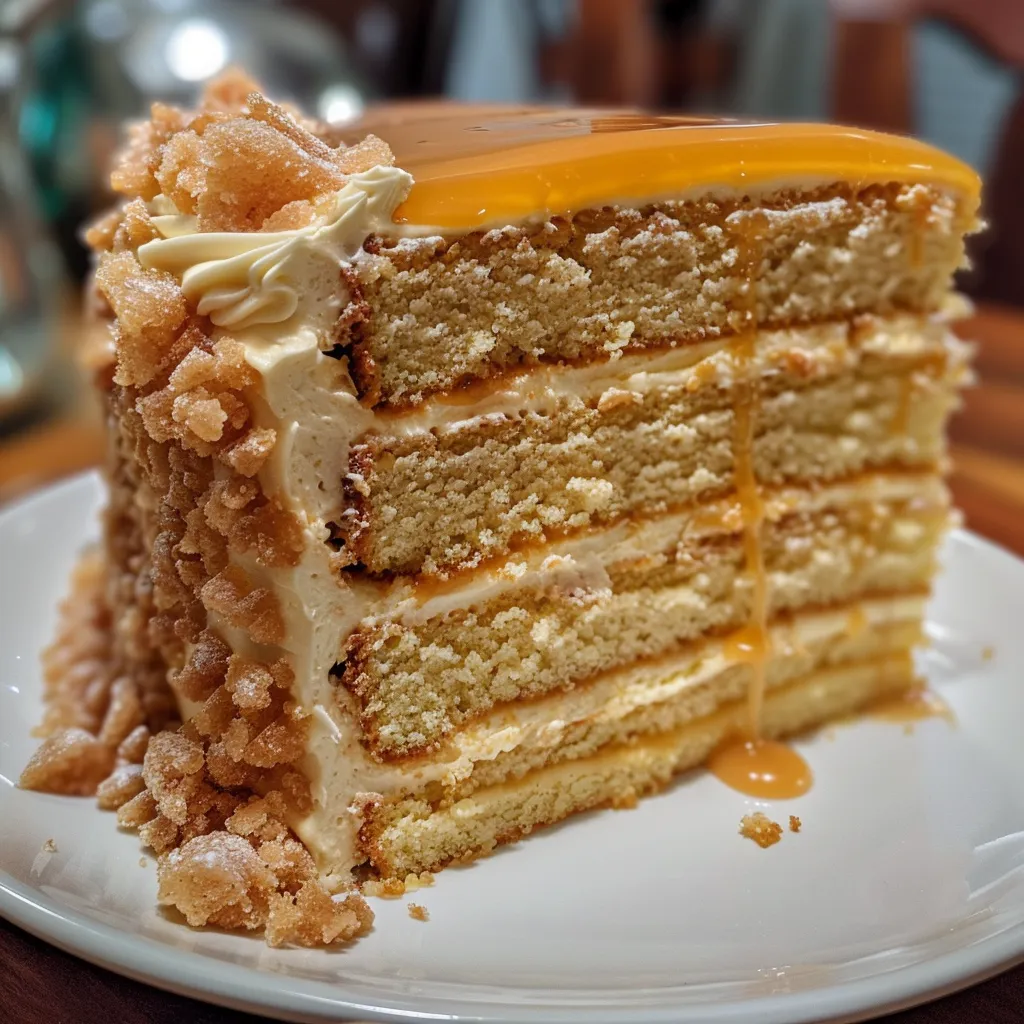
Ready to bake? Let’s get started! Follow these simple steps, and you’ll have a stunning cake in no time.
Step 1: Create the Salted Caramel
In a medium saucepan, combine the granulated sugar and water. Stir to ensure the sugar is evenly moistened, then heat over medium-high heat. Watch as it transforms into a golden caramel—this is where the magic happens!
- Tip: Stir occasionally for even melting, but don’t stir too much to avoid crystallization.
Once the caramel reaches a lovely golden color, reduce the heat to medium and stir in the butter until fully melted. Gradually add the heavy cream while stirring continuously; be cautious as the mixture will bubble up. Stir until smooth, then turn off the heat and add a pinch of salt. Pour the sauce into a shallow bowl to cool quickly and refrigerate for 30-60 minutes.
Step 2: Bake the Cake Layers
Preheat your oven to 170°C (340°F) and prepare three 20 cm (8 in) round cake pans by lining them with parchment paper. In a mixing bowl, sift together the flour, cornstarch, baking powder, baking soda, and salt. Set aside.
In a large mixing bowl, beat the softened butter and sugar together on high speed for about 3 minutes until light and fluffy. Add the eggs, two at a time, mixing well between each addition. Alternate adding the dry ingredients and the sour cream mixture, mixing until just combined. Use a rubber spatula to gently fold the batter for full incorporation.
- Pro Tip: Avoid overmixing to keep the cake light and fluffy!
Divide the batter evenly among the prepared pans and bake for 19-22 minutes. The cakes are ready when a toothpick inserted into the center comes out clean; they should remain light and not overly browned. Allow them to cool in the pans for 10 minutes before transferring to a wire rack to cool completely.
Step 3: Make the Caramel Buttercream
While the cake layers cool, it’s time to whip up the caramel buttercream. In a stand mixer, beat the softened butter on medium-high speed for 4 minutes until creamy. Gradually add in the sifted powdered sugar, vanilla extract, and prepared caramel sauce in two parts, mixing well after each addition. Scrape down the sides and mix again for a final minute on low speed.
- Expert Tip: For a silky texture, make sure your butter is at room temperature before mixing.
Step 4: Assemble Your Cake
Once the cake layers are completely cooled, it’s time to assemble! Place the first layer on a cake board or serving dish. Spread a generous layer of caramel buttercream over the top and drizzle with 2-3 tablespoons of salted caramel sauce.
Add the second layer and repeat with buttercream and caramel sauce. Place the final layer on top. Apply a thin crumb coat of buttercream around the entire cake, then refrigerate for 20 minutes to firm up.
After firming up, apply the remaining buttercream and smooth it out. Drizzle with the remaining salted caramel sauce, swirling it into the buttercream for a decorative effect.
Pro Tips for Baking Success
- Room Temperature Ingredients: Ensure all your ingredients are at room temperature for better mixing.
- Watch Your Caramel: Keep an eye on your caramel as it cooks; sugar can go from perfect to burnt quickly!
- Measure Accurately: Use a kitchen scale for precision, especially with the flour and sugar.
- Test for Doneness: Each oven is different, so check your cakes a minute or two early.
- Let It Cool: Always allow your cakes to cool completely before frosting to prevent melting.
- Experiment with Flavors: Feel free to add a splash of bourbon or espresso to the caramel for a fun twist.
- Keep It Moist: Brush the cake layers with a simple syrup before frosting for added moisture.
Common Mistakes and Troubleshooting
Don’t worry if things don’t go perfectly! Here are some common pitfalls and how to avoid them:
- Dry Cake: Ensure you don’t overbake; keep an eye on the timer!
- Crumbly Frosting: If your buttercream is too thick, add a splash of cream until you reach the desired consistency.
- Burnt Caramel: If your caramel turns dark too quickly, lower the heat and add a bit of water to cool it down.
- Layer Slippage: Make sure the buttercream is firm before stacking layers; chilling can help!
Recipe Variations
Want to switch things up? Here are some fun variations to try:
- Chocolate Salted Caramel Cake: Add cocoa powder to the batter for a chocolatey twist.
- Nutty Caramel Cake: Fold in chopped nuts like pecans or hazelnuts into the batter for added crunch.
- Fruit-Infused Caramel: Add layers of fresh fruit like bananas or berries between the cake layers for freshness.
- Spiced Salted Caramel Cake: Incorporate spices like cinnamon or nutmeg into the batter for a warm flavor.
Storage and Make-Ahead Instructions
This cake can be made ahead of time and stored for later enjoyment!
- Room Temperature: Store the assembled cake at room temperature for up to 2 days.
- Refrigeration: If storing longer, keep it in the fridge for up to a week. Cover with plastic wrap to prevent drying.
- Freezing: Freeze individual layers wrapped in plastic for up to 3 months. Thaw in the fridge before assembling.
FAQ: Your Salted Caramel Cake Questions Answered
- Can I use store-bought caramel? Absolutely! It saves time and still tastes delicious.
- What’s the best way to cut the cake? Use a serrated knife and a gentle sawing motion to keep layers intact.
- How can I make this gluten-free? Substitute all-purpose flour with a 1:1 gluten-free flour blend.
- Can I add more salt? Yes! If you love a salty-sweet balance, feel free to adjust the salt to your taste.
- How do I prevent the cake from sticking to the pan? Grease the pans well and use parchment paper for easy removal.
- What can I serve with this cake? Pair it with whipped cream, vanilla ice cream, or fresh berries for a delightful contrast.
- Can I make this cake vegan? You can use plant-based butter, aquafaba for eggs, and plant-based cream for the frosting.
- How do I keep the buttercream from melting? Keep the cake cool and avoid direct sunlight, especially on hot days.
Nutritional Tips and Dietary Adaptations
Cooking is about balance, and while this cake is a treat, there are ways to enjoy it more healthily:
- Portion Control: Enjoy smaller slices to satisfy your sweet tooth without overindulging.
- Substitutions: Use lower-fat cream or yogurt instead of heavy cream in the caramel for a lighter version.
- Natural Sweeteners: Consider using honey or maple syrup in place of granulated sugar for a healthier alternative.
Essential Equipment for Your Baking Adventure
Before you get started, make sure you have these tools on hand:
- Stand Mixer: For effortless mixing of cake batter and buttercream.
- Medium Saucepan: Perfect for making the salted caramel sauce.
- Measuring Cups and Spoons: Accurate measurements are key to baking success.
- Baking Pans: Three 20 cm (8 in) round pans for even cake layers.
- Offset Spatula: Ideal for spreading buttercream smoothly over the cake.
Serving Suggestions for Your Salted Caramel Cake
Once your masterpiece is complete, consider these serving ideas:
- Garnish: Top with sea salt flakes or chocolate shavings for an elegant touch.
- Pairing: Serve with a side of vanilla ice cream or whipped cream for extra indulgence.
- Presentation: Use a cake stand or decorative plate to showcase your beautiful cake.
In conclusion, this **salted caramel cake** is more than just a dessert; it’s a celebration of flavors and a chance to connect with friends and family over something truly special. Remember, cooking is about joy, experimentation, and, most importantly, connection. So, roll up those sleeves, bake with love, and don’t forget to enjoy every delicious bite. Happy baking!
Salted Caramel Cake
Ingredients
Caramel Sauce
- 140 g granulated sugar for caramelizing
- 1.5 tablespoons water to dissolve the sugar
- 40 g butter unsalted room temperature
- 150 g heavy cream room temperature
- Pinch to taste salt
Cake Batter
- 340 g all-purpose flour sifted
- 2 tablespoons cornstarch to lighten the texture
- ¾ teaspoon baking powder for leavening
- ¾ teaspoon baking soda for leavening
- ¾ teaspoon salt for flavor balance
- 180 g butter unsalted softened
- 300 g granulated sugar for sweetness
- 4 large eggs room temperature
- 240 g sour cream 14-18 fat room temperature for moisture
- 60 g vegetable oil neutral flavor like canola oil
- 2 teaspoons vanilla extract for flavor
Buttercream
- 400 g butter unsalted softened
- 660 g powdered sugar sifted for smoothness
- 2 teaspoons vanilla extract for flavor
- 2-3 tablespoons caramel homemade or store-bought
Instructions
- Combine sugar and water, heat until golden caramel forms, then add butter and cream, stirring until smooth. Cool and refrigerate.
- Preheat oven to 170°C (340°F). Sift dry ingredients. Beat butter and sugar, add eggs, then alternate dry and wet ingredients. Divide batter into pans and bake for 19-22 minutes.
- Cool cakes completely. Make buttercream by beating butter, then gradually add powdered sugar, vanilla, and caramel. Assemble cake layers with buttercream and caramel, then refrigerate to set. Finish with a smooth coat and drizzle caramel on top.